

The evolution of gambling through the ages a historical journey
The Origins of Gambling
Gambling has roots that stretch back thousands of years, with evidence found in ancient civilizations such as Mesopotamia, China, and Egypt. Archaeological findings reveal that dice made from bones and other materials were used in these early societies. The act of gambling often went beyond mere entertainment; it was interwoven with religious rituals and social practices, illustrating a deep-seated human fascination with chance and fortune. If you’re planning a visit to the magical world inspired by these themes, consider booking Harry Potter World tickets for an unforgettable experience.
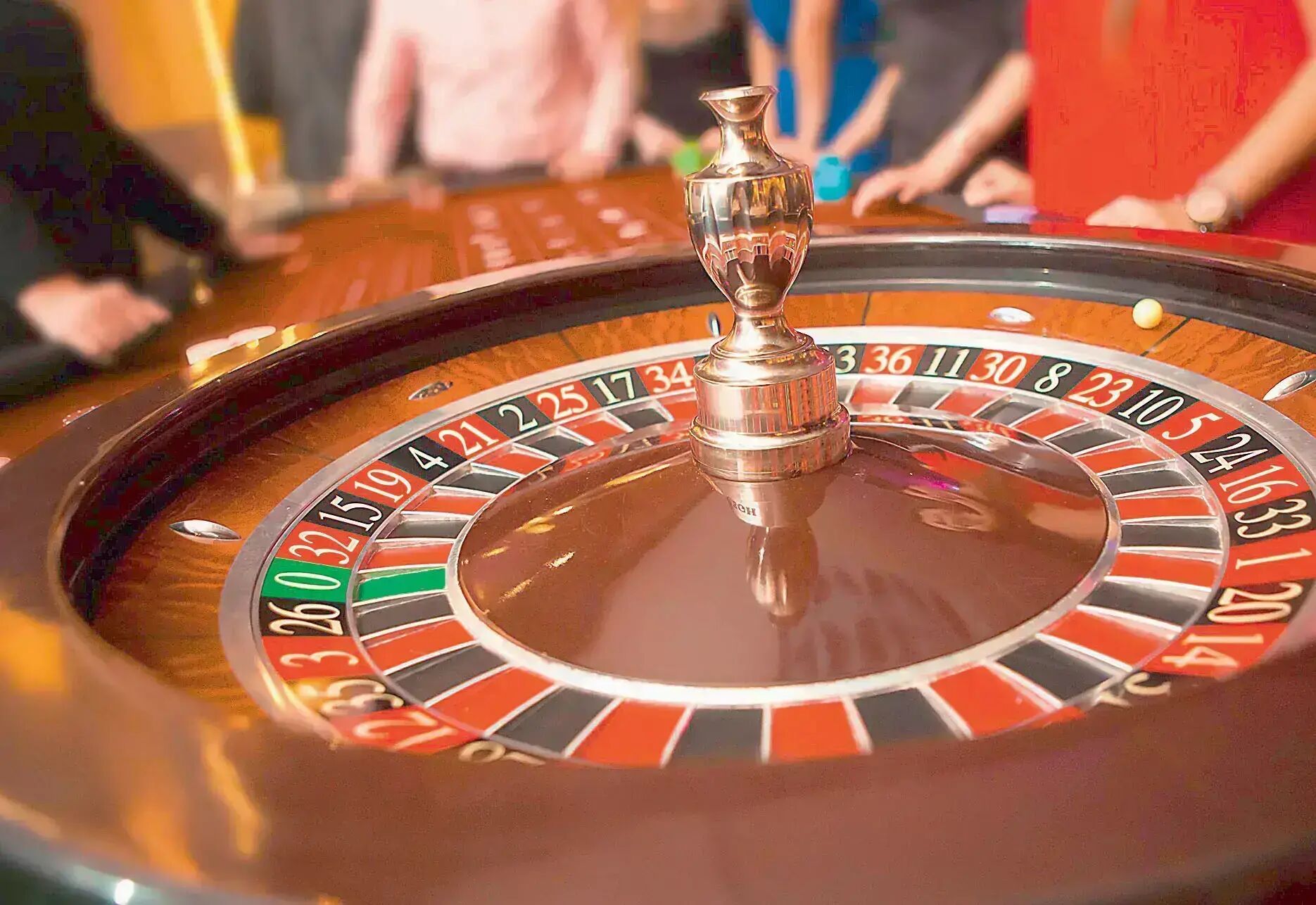
As cultures evolved, so did the forms of gambling. The Chinese, for instance, developed rudimentary lottery systems as early as 205 BC, while the Romans enjoyed betting on gladiatorial games. Each civilization added its unique touch, transforming gambling into a multifaceted cultural phenomenon that mirrored societal values and norms.
The Middle Ages and Gambling’s Transformation
The Middle Ages marked a significant shift in the evolution of gambling. During this period, many governments began to regulate betting activities, establishing rules and restrictions that shaped the practice. In Europe, games like chess and card games gained popularity among the nobility, leading to more structured forms of gambling. This era also saw the introduction of gambling houses, which laid the groundwork for modern casinos.
However, the perception of gambling was ambivalent. While it was enjoyed by many, it was also seen as a vice that could lead to moral decline. The Church often condemned gambling, viewing it as a distraction from spiritual pursuits. This duality influenced the development of gambling laws, which aimed to balance enjoyment with moral considerations.
The Rise of Casinos in the 18th and 19th Centuries
The 18th and 19th centuries witnessed the rise of casinos, particularly in Europe. The establishment of the Casino di Venezia in Italy, one of the oldest gambling establishments, set the tone for luxury and exclusivity in gambling venues. As European society industrialized, gambling became more accessible, attracting a broader audience. This period also saw the proliferation of various betting games, including baccarat and roulette, which became staples in casinos.
The allure of casinos drew in not just locals but also tourists seeking excitement and entertainment. This transformation contributed to the establishment of gambling as a significant aspect of leisure activities, resulting in an economic boom for regions that embraced the casino culture.
The Modern Era: Gambling in the 20th Century
The 20th century marked a pivotal era for gambling, with the legalization of various forms of betting across many regions. The advent of Las Vegas in the mid-20th century epitomized this change, transforming the city into a global gambling hub. The introduction of slot machines and electronic gaming machines added a new dimension to the gambling experience, making it more engaging and appealing to a diverse audience.
Moreover, the rise of online gambling in the late 1990s reshaped the landscape. Players could now access casinos from the comfort of their homes, leading to an unprecedented surge in participation. This digital shift prompted discussions about regulation, fairness, and responsible gambling, as the industry sought to adapt to new technological advancements.

Exploring the History of Gambling Today
The journey of gambling through the ages is a reflection of human nature’s enduring fascination with risk and chance. Today, this age-old practice continues to evolve, influenced by technology and changing societal norms. The combination of online platforms, mobile apps, and virtual reality is creating new gambling experiences that were once unimaginable.
As we explore the history of gambling, it is essential to understand its cultural significance and the complexities surrounding it. The evolution of gambling is not just about games of chance; it encompasses social, economic, and moral dimensions that have shaped human interactions for centuries. The ongoing dialogue about responsible gambling and its implications will likely continue to shape the future of this intriguing pastime.
